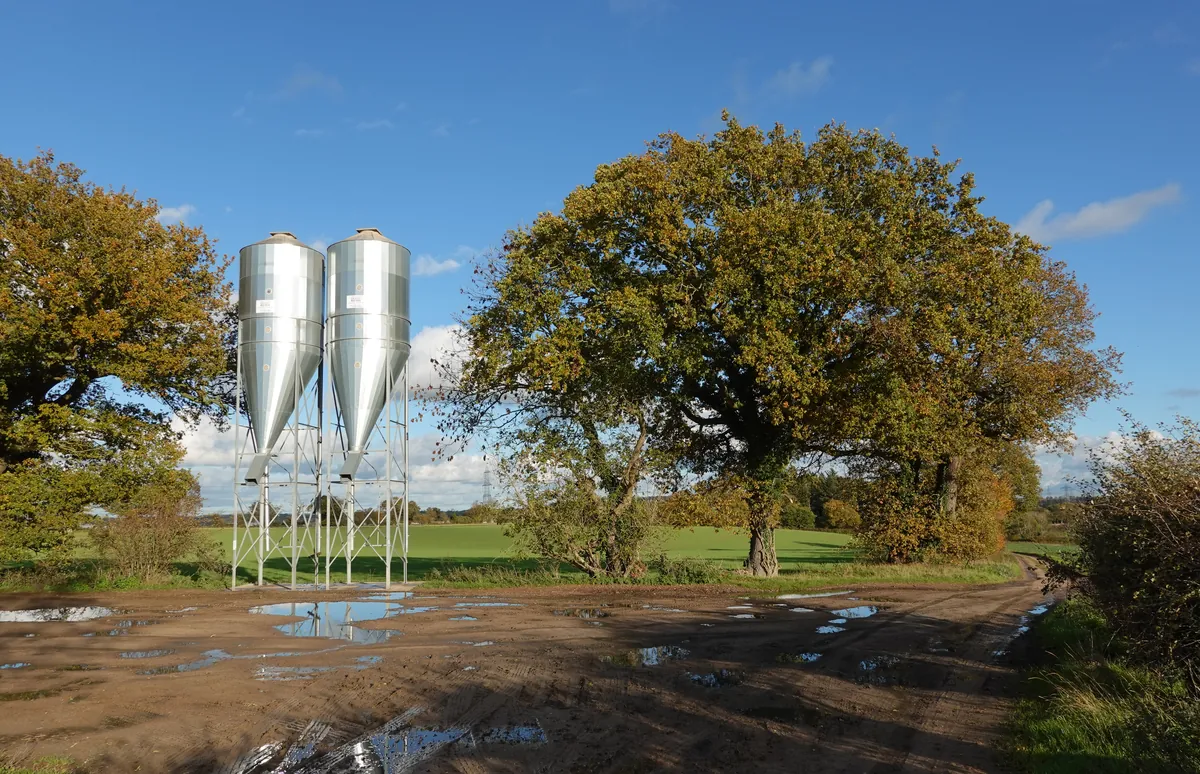
6 feed silos
Automated feeding
Chain conveyors carry feed from the silos to the feeders.
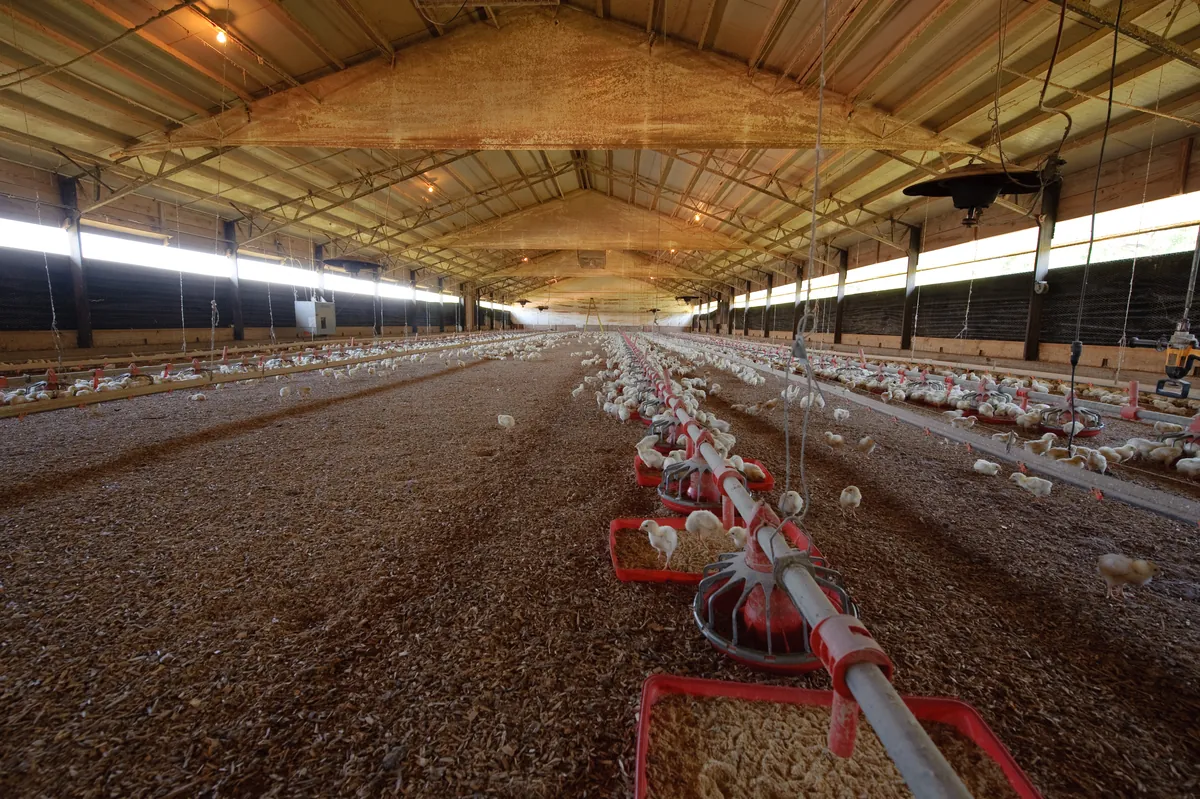
A fully automated broiler facility planned in Karacaören, Beypazarı (Ankara), with 6 double-storey poultry houses and a capacity of 432,000 birds per cycle.
Planned capacity per the final EIA report
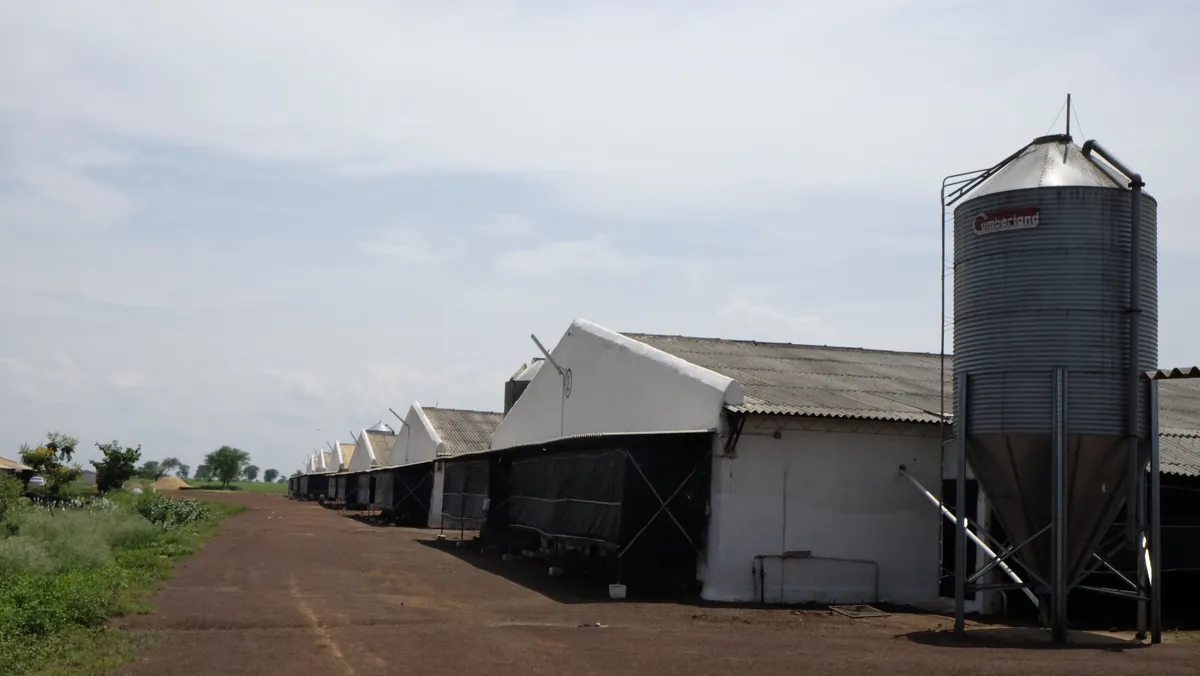
The Mümin Özer Broiler Farm will be built in the Alanyazı locality of Karacaören, Beypazarı district, Ankara, on a 67,706 m² titled plot owned by the project owner.
The farm will operate under a contract production model. Chicks, feed, vitamins, vaccines and litter are supplied by an integrated poultry company; after a grow-out of about 45 days, birds reaching 2–3 kg live weight are shipped to the integrator’s slaughterhouse.
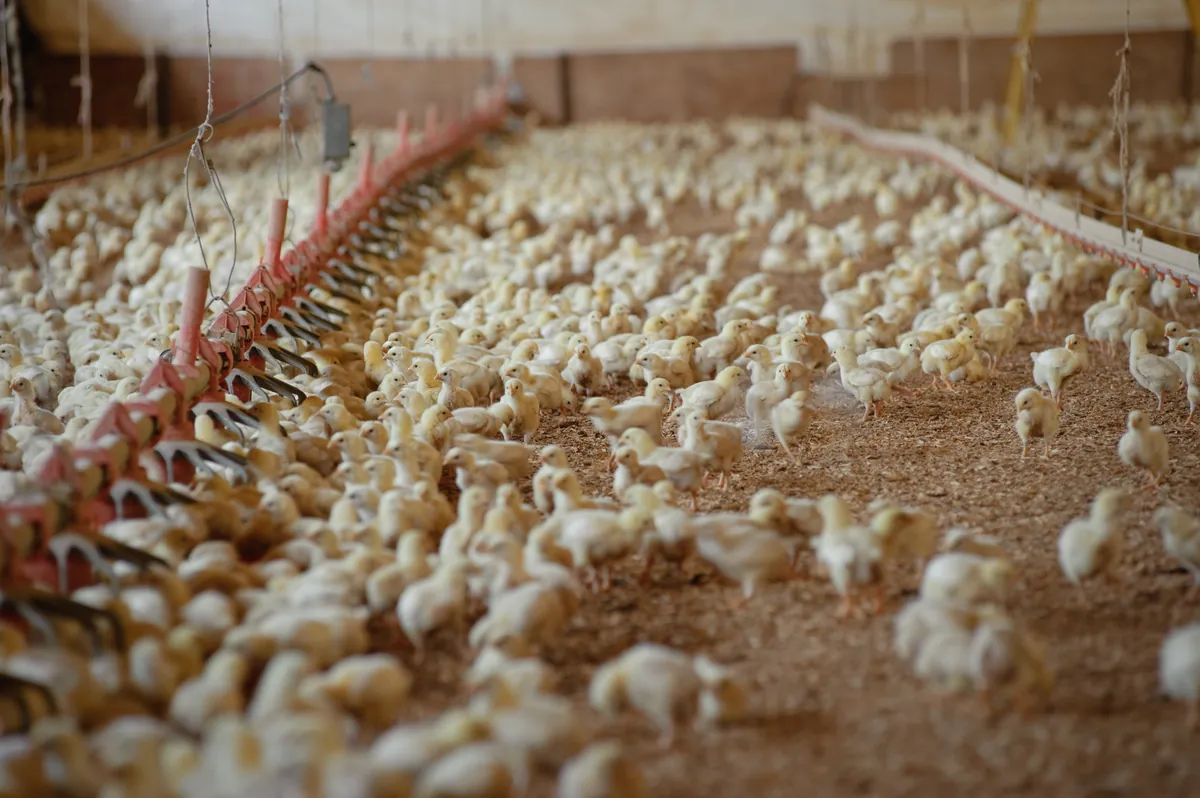
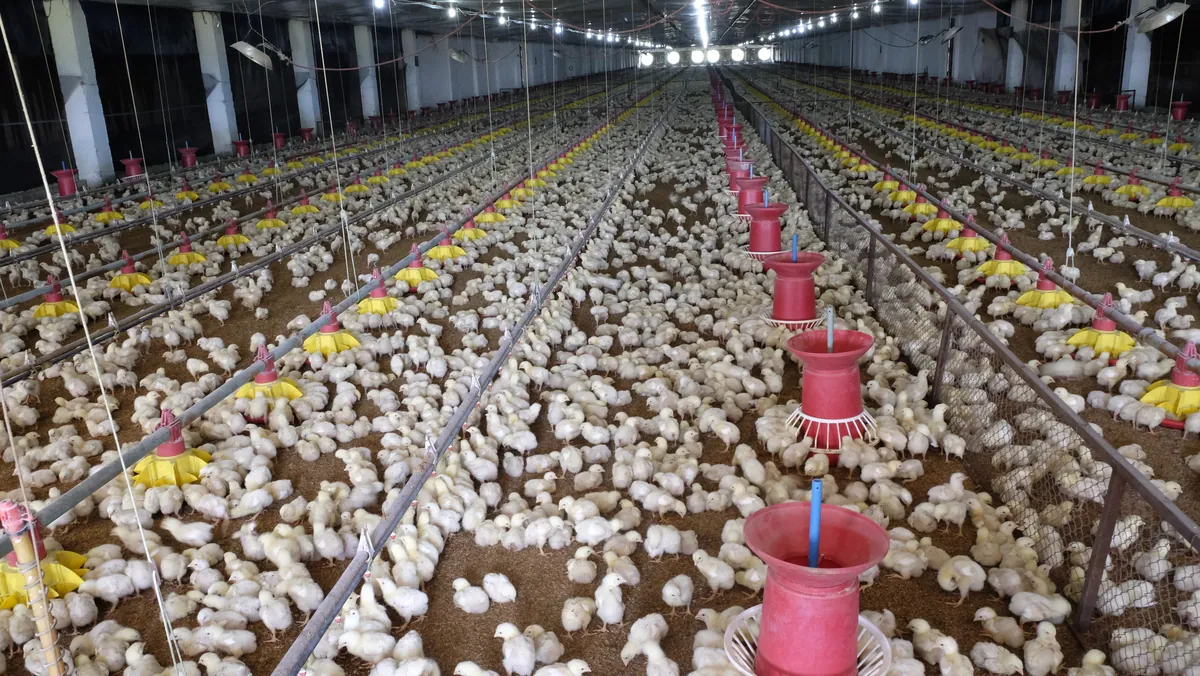
The poultry houses are steel-supported reinforced concrete buildings with leak-proof screed floors, equipped with fully automatic ventilation and feeding systems.
Each 2 × (20 m × 100 m), 24,000 m² in total
One per poultry house, 7.5 m × 10 m
Galvanised steel, one per house
For process water from the well, 10 m × 15 m
Leak-proof concrete, emergency capacity
For domestic wastewater and washing water
Sealed C30 concrete, 56 m³ each
100.5 hp, for on-site work
Each cycle consists of 15 days of preparation and about 45 days of grow-out. The farm runs 6 cycles a year, 24 hours a day during each cycle, using a floor system with wood-shaving litter.
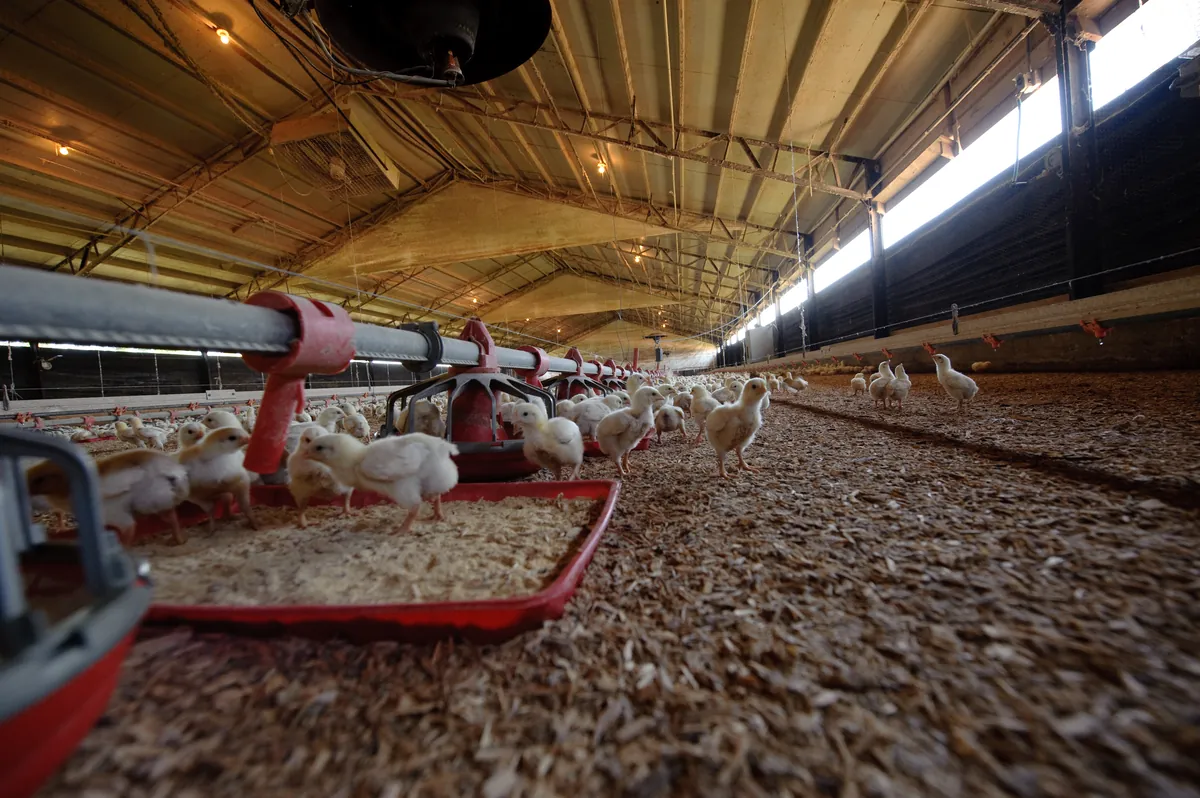
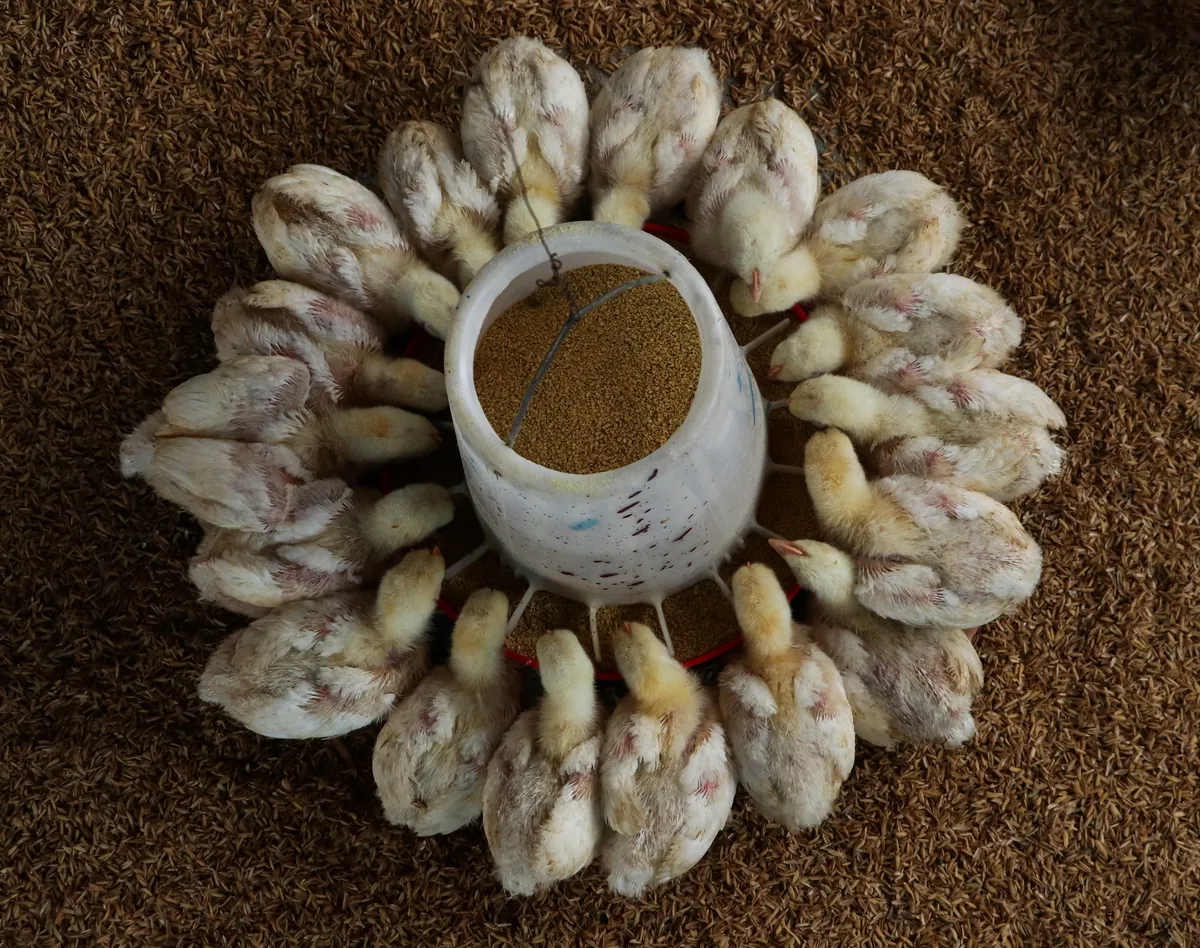
Equipment is taken out and litter removed. The house is washed, disinfected and fumigated. New litter is laid (4 cm in summer, 6 cm in winter) and the house is pre-heated 24–48 hours before placement at 60% humidity.
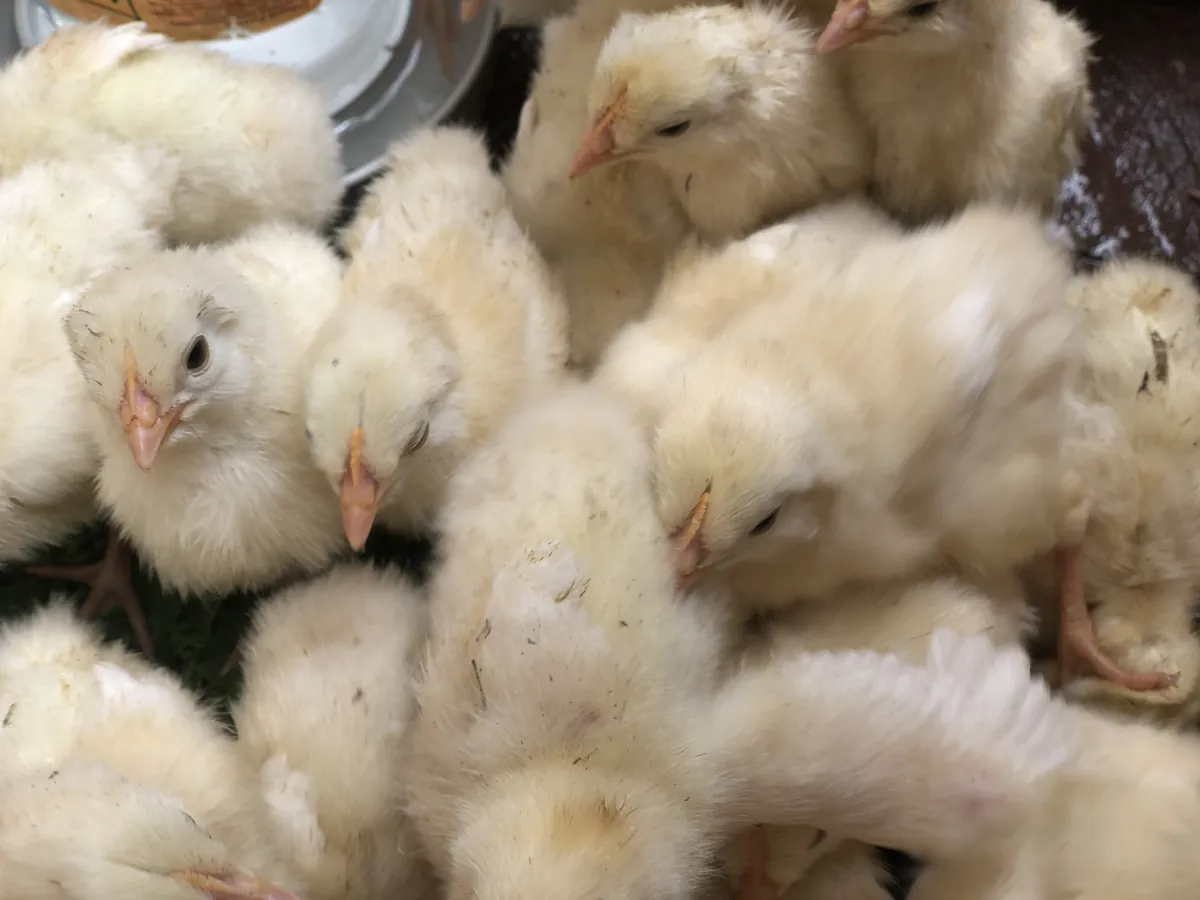
The delivery vehicle is disinfected. Chicks are counted and placed within 6–12 hours of hatching, and records are opened.
Free feeding is applied. Air vents stay closed for the first two days and ventilation starts on day 3. Vaccines are given via drinking water.
Birds are weighed weekly. Bird count, daily mortality, temperature, humidity, vaccination dates and feed use are recorded and kept for at least 3 years.
After a pre-slaughter health check, birds are sent to the integrator’s slaughterhouse and preparation for the next cycle begins.
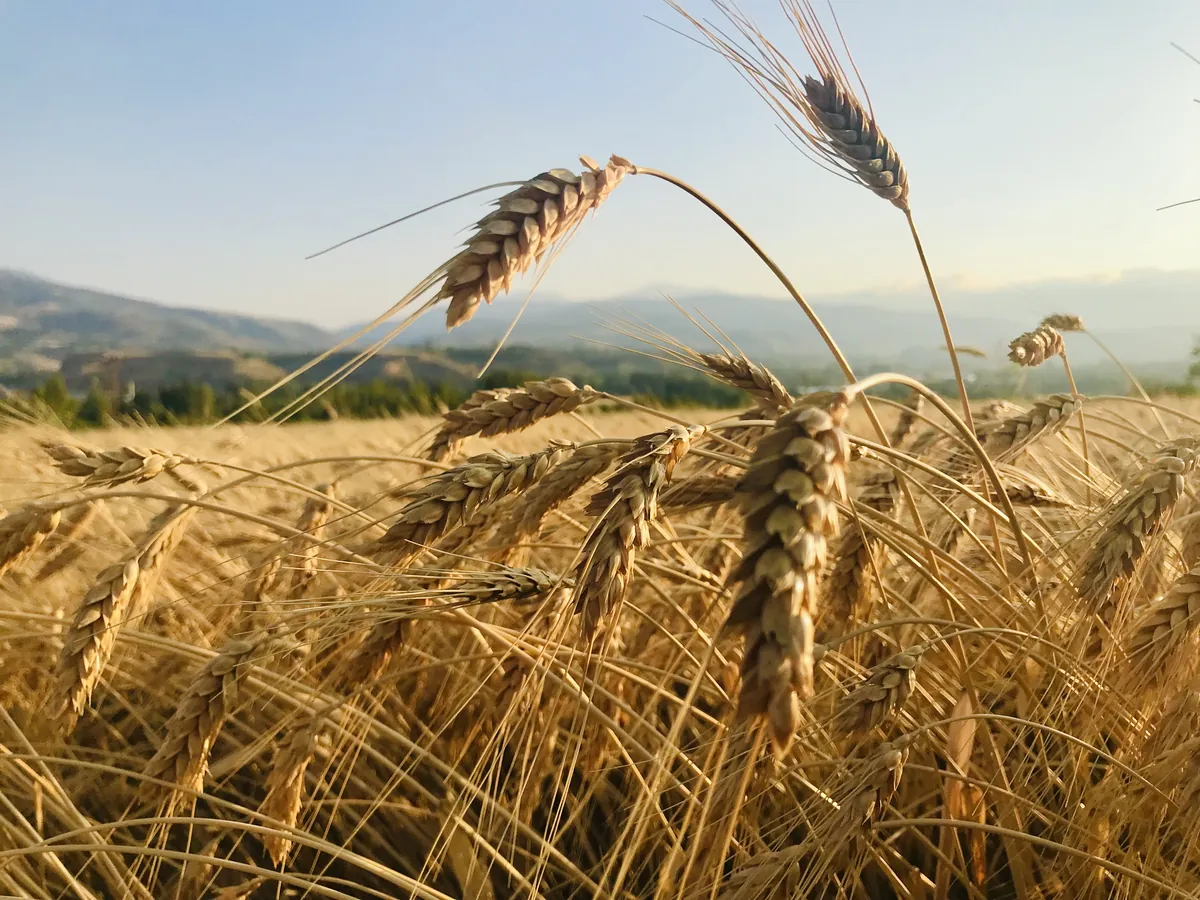
Feed is supplied by the integrated company in three phases, with mineral and vitamin premixes, lysine, methionine, threonine and enzyme premixes.
Crumble form
Mini-pellet or pellet form
A second finisher if required
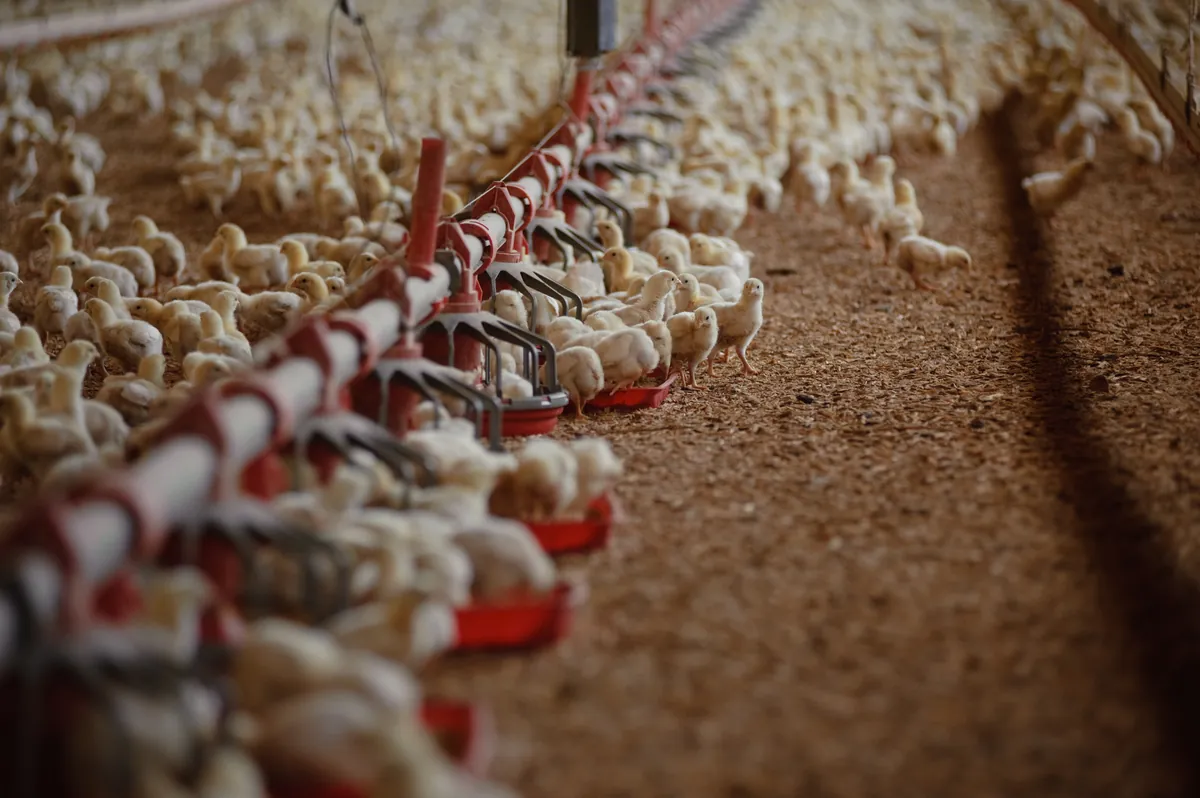
Fully automatic drinker, feeder and climate systems deliver feed and water to the birds without manual handling.
Chain conveyors carry feed from the silos to the feeders.
Ceiling-hung drinkers provide clean water at all times.
8 tunnel fans and at least 4 cooling pads per house.
Solid-fuel stoves with fan-assisted heat distribution.
Lighting suited to the birds’ natural behaviour.
Generators keep the farm running during outages.
Many poultry diseases are viral. The farm will follow a Disinfection and Hygiene Plan aimed at preventing disease.
The farm is fenced; all vehicles and people are logged and visitor access is restricted.
All vehicles pass through a disinfection pool at the entrance.
Staff change into farm clothing; footwear is changed or covered at every house entrance.
No equipment enters the farm unless cleaned and disinfected.
Flocks enter and leave together, with breaks long enough for full cleaning.
A comprehensive programme against wild birds, flies and rodents.
The farm will operate in line with Türkiye’s regulation on the general welfare of farm animals.
According to the final EIA report, calculated dust, noise and odour levels remain below legal limits.
Litter is handed to a licensed contractor at the end of every cycle and never stored in the open.
Domestic and washing water is collected in leak-proof tanks and removed by vacuum truck.
Fan outlets are enclosed on three sides with water pools beneath to trap dust and odour.
Monthly level readings and quarterly chemical analysis at 3 observation wells.
Packaging, medical and hazardous waste is separated at source and handed to licensed firms.
Tortoises on site will be relocated by a specialist before construction.
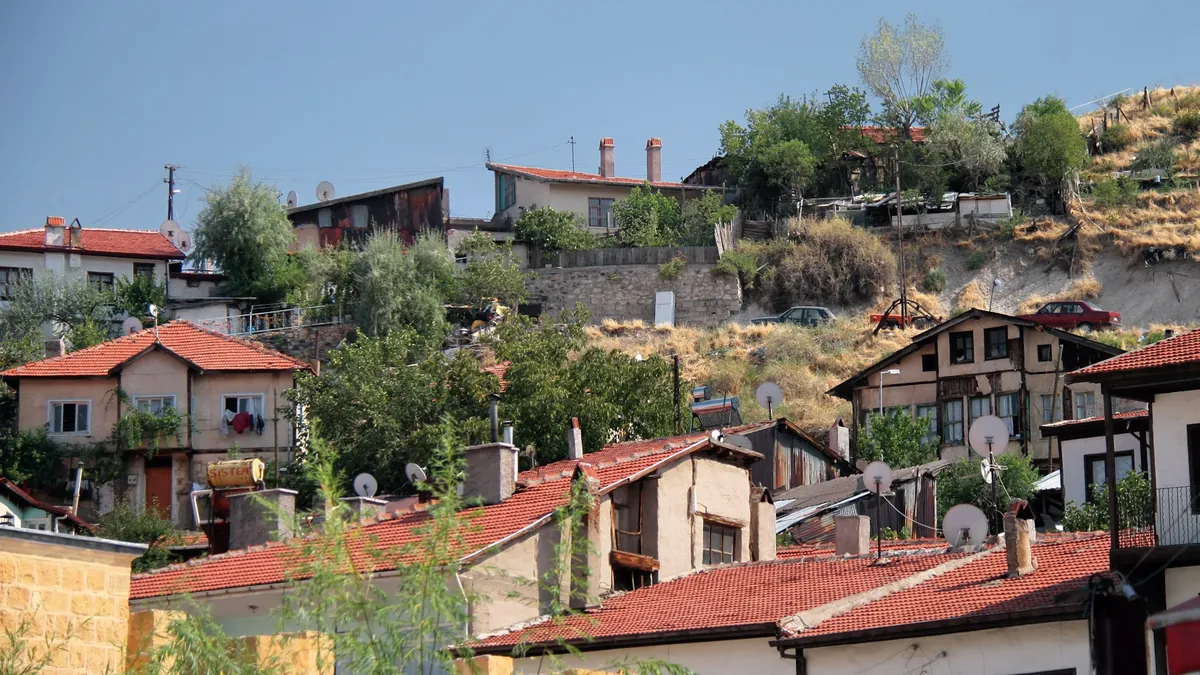
The site lies about 14 km north-east of Beypazarı town centre. Beypazarı is an important livestock centre known for poultry, beekeeping, Angora goats, sheep and cattle.
Karacaören, Alanyazı Locality, Block 128, Parcels 41 & 53, Beypazarı / Ankara, Türkiye
Türkiye’s poultry sector is mature and based on integrated and contract production. White meat production and consumption are expected to grow in the coming years.
The Central Poultry Research Institute was founded in Ankara.
Pure-bred lines were imported.
Integrated facilities and contract farming became widespread.
Major investments brought the sector to world standards.
EU harmonisation work began.
Future dates are planned and will be updated according to the EIA decision and permit durations.
Held in Karacaören; no objections were raised.
Submitted to the Ministry of Environment, Urbanisation and Climate Change.
Municipal opinion, soil protection opinion, water utility protocol and building permit.
About 6 months of construction and equipment installation.
Commissioning and full capacity at 6 cycles a year.
The farm will raise broiler chickens. Birds reach 2–3 kg live weight in about 45 days and are shipped to the integrated company’s slaughterhouse.
Chicks, feed, vitamins, vaccines and litter are supplied by the integrated company, and the farm raises the chicks to slaughter weight. The company’s veterinarians periodically inspect nutrition, health and hygiene.
The nearest settlement is about 940 m away. The regulatory minimum is 500 m.
Litter is handed to a licensed contractor at the end of each cycle. It is never stored in the open; leak-proof depots are available for emergencies.
The final EIA report was submitted on 12.09.2026. After the EIA decision and permits, about 6 months of construction are planned, with the first cycle expected in late 2027.
10 people during the 6-month construction phase and 6 permanent caretakers during operation.
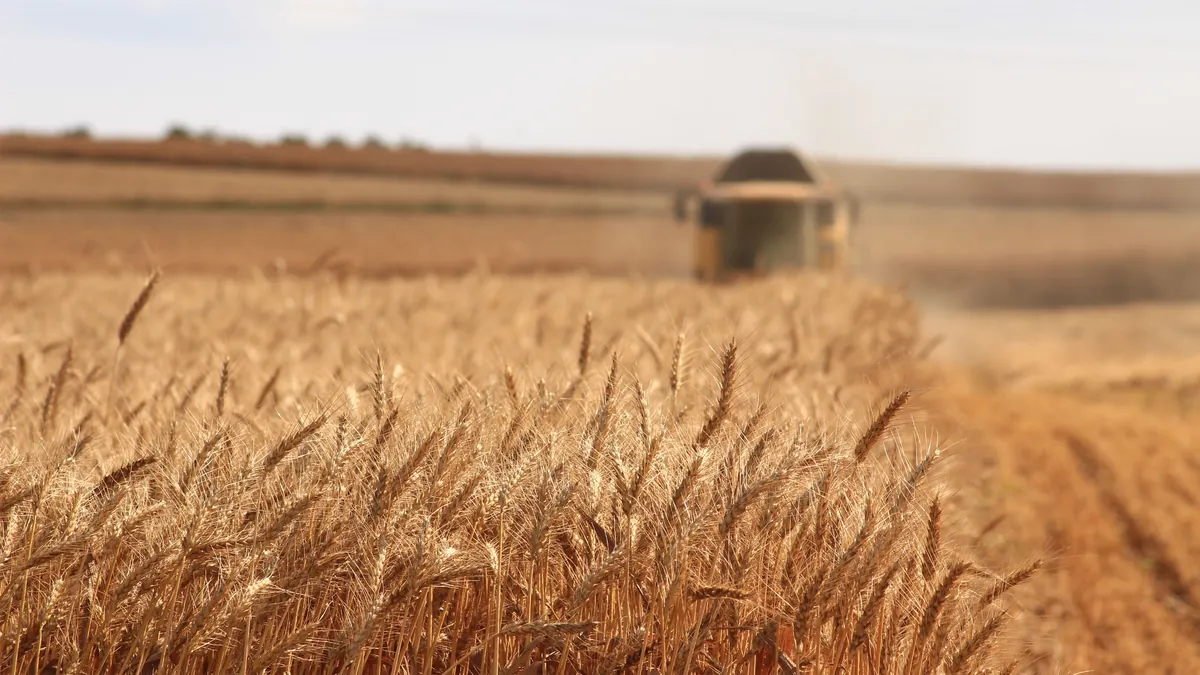
Integrators, suppliers and business partners are welcome to contact us for information about the project.